
Home Additions & ADUs
Room Addition vs. ADU: Which Expansion Fits Your Budget?
Thinking about adding more space to your home but not sure whether a room addition or an ADU makes more sense for your budget? You are not alone. Many California homeowners know they need extra square footage, but feel stuck choosing between expanding the main house or building a separate accessory dwelling unit. While both options can add value, the right choice depends on how much you want to spend up front, how you plan to use the space, and whether rental income is part of your long-term plan.
When your home starts feeling a little too tight, the first instinct is often to dream about more space. Maybe you want a larger family room, a true primary suite, a home office, or a place for aging parents or adult children. In California, that usually leads to two main options: a room addition that expands the footprint of your existing home, or an accessory dwelling unit (ADU) that creates a separate living space on your property.
Both can transform how your home feels and functions, but they come with different costs, rules, and financial upsides. Understanding those differences is the key to choosing the expansion that actually fits your budget instead of just your wish list.
1. What Is the Difference Between a Room Addition and an ADU?

A room addition is an expansion of your existing house. It might be a new bedroom, a bigger living room, an extended kitchen, or even a second-story addition, but it remains part of the main home.
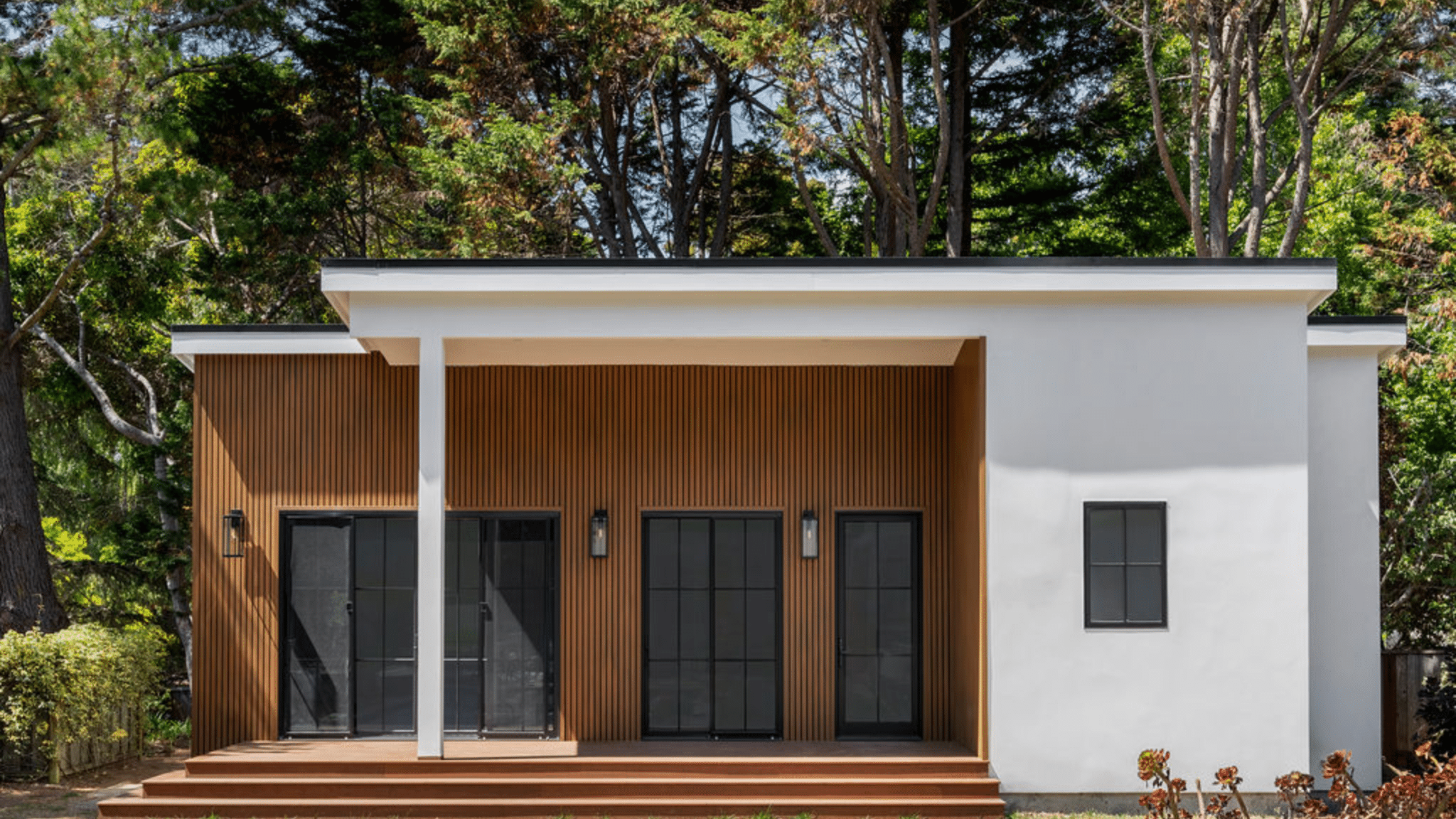
An ADU, on the other hand, is a self-contained living unit on the same property, with its own entrance and typically its own kitchen, bathroom, and sleeping area. That could be a detached backyard cottage, a garage conversion, or an attached suite with a separate entry.
The room addition is about making your current home larger and more comfortable for your household, while an ADU is closer to creating a small secondary home that can be used for family, guests, or renters.
2. Upfront Costs: Which Option Is Typically More Affordable?

At first glance, a room addition often appears more straightforward and sometimes less expensive per square foot than building a full ADU. You are extending existing systems and structure rather than starting an almost independent mini home with its own kitchen, bathroom, and potentially separate utilities.
However, costs can climb quickly if the addition involves major structural changes, complex roof tie-ins, or high-end finishes. An ADU typically costs more because it requires more infrastructure in a smaller footprint, but its self-contained nature may help you justify the investment through rental income or future resale appeal.
The important thing is to compare realistic cost ranges for both options on your specific property, rather than assuming one is always cheaper based on square footage alone.
3. Long-Term Financial Value and Rental Potential
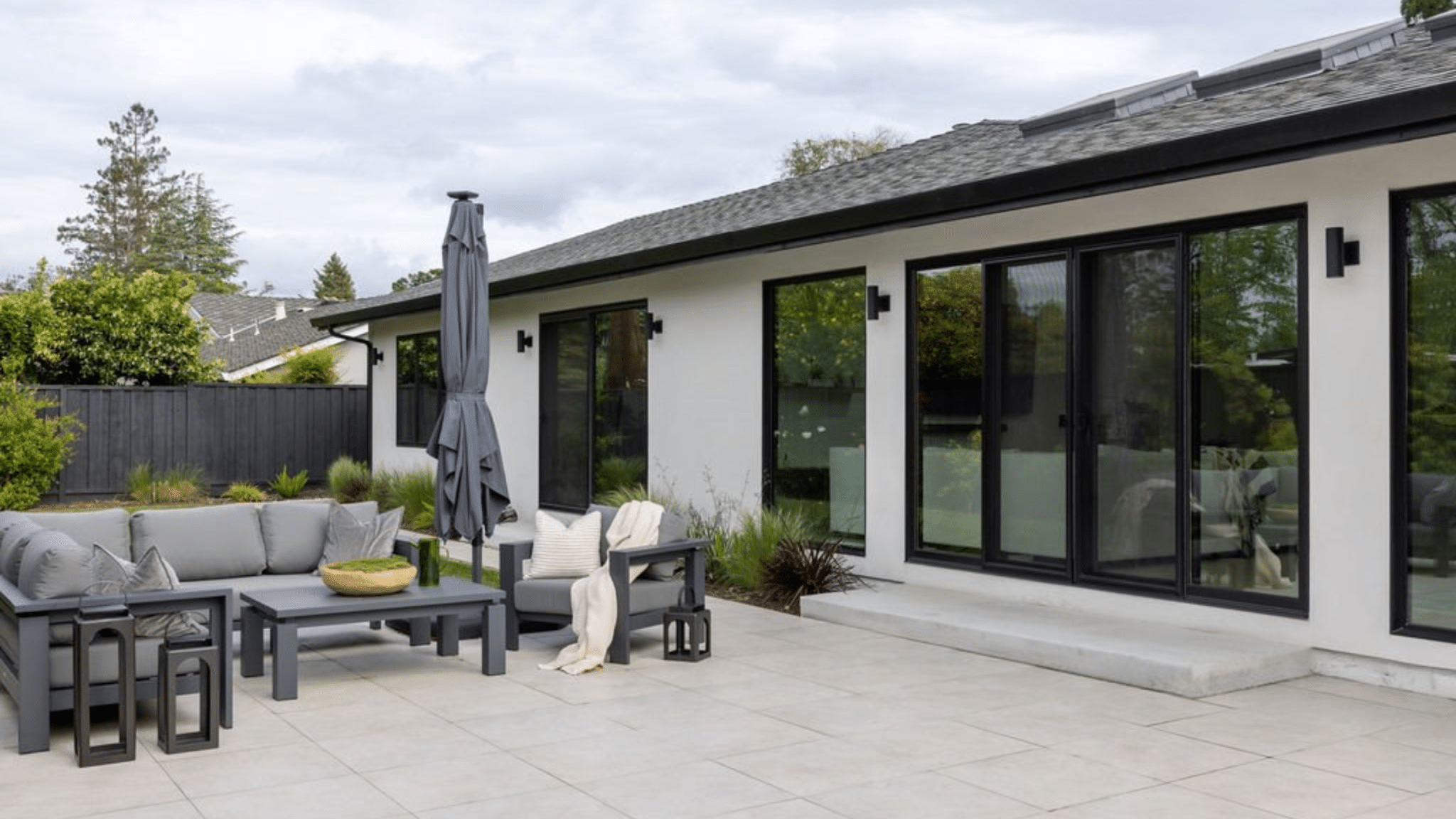
When you are thinking about your budget, it is not just the upfront cost that matters; it is also what the space can do for you financially over time. A room addition can significantly boost your everyday quality of life and increase your home’s resale value by adding more usable square footage or a better layout, such as a true primary suite or larger family gathering space.
An ADU can do all of that and potentially create a separate income stream if you choose to rent it out long-term or as a furnished rental where allowed. That rental income can help offset the cost of construction, support your mortgage, or provide extra financial security later in life.
For some homeowners, the ability to generate income makes an ADU feel like a smarter long-term budget decision, even if the initial cost is higher than a simple room addition.
4. Permits, Zoning, and Hidden Costs in California

Both room additions and ADUs require permits, and in California, local rules can significantly affect cost and feasibility. Room additions typically comply with standard residential zoning and building codes but may trigger requirements for setbacks, structural engineering, energy efficiency, and, in older homes, seismic upgrades.
ADUs are supported by statewide laws designed to encourage more housing, but each city or county can have its own guidelines around size, parking, setbacks, and design. There may also be utility connection fees, impact fees in certain cases, and costs tied to bringing existing structures up to code if you are converting a garage or basement.
These “hidden” items can influence whether a room addition or ADU ultimately fits your budget better, which is why working with a contractor experienced in California ADUs and additions is so important.
5. How Each Option Affects Your Lifestyle and Privacy

Your budget is not just about dollars; it is also about how you want to live in the space every day. A room addition integrates directly into your current floor plan, making your main home feel more spacious and cohesive. This can be ideal if you want a larger shared living area, a bigger kitchen, or more bedrooms for kids.
An ADU offers something different: separation. It creates a private space that can be perfect for multigenerational living, giving relatives independence while keeping them close, or for guests who need their own retreat. It also provides greater privacy if you decide to rent it out in the future, as you are not sharing walls.
Thinking through who will use the new space and how much privacy everyone needs can make the choice between addition and ADU much clearer.
6. Utility, Operational, and Maintenance Considerations

The ongoing costs of using and maintaining your new space should also factor into your decision. A room addition usually shares existing systems like heating, cooling, and electrical service, which can simplify setup but may require upgrading equipment to handle the increased load.
An ADU may have its own systems, meters, or subpanels, which can increase upfront cost but make it easier to track usage, especially if you plan to rent the unit. More bathrooms, kitchens, and fixtures mean more maintenance points, so a full ADU may require slightly higher long-term upkeep than a single new room or an expanded living area.
Balancing those ongoing costs with the potential benefits, such as rental income or improved everyday comfort, helps you see which option truly fits your budget in the long run, not just on day one.
7. Financing and Making the Numbers Work

Whether you choose a room addition or an ADU, you will need a financing plan that feels comfortable. Some homeowners use cash savings or a home equity line of credit, while others pursue renovation loans or specialized financing for ADU projects.
Lenders may view a well-designed ADU as an income-producing asset, which can help support borrowing in some situations, while a room addition may be evaluated more simply as a home improvement that boosts property value.
A clear, detailed estimate from a reputable contractor can make conversations with lenders smoother and prevent unpleasant budget surprises mid-project. Taking the time to run numbers for both scenarios with realistic cost and value expectations often reveals which expansion is the smarter financial move for your particular situation.
8. Working With a Design-Build Contractor to Choose the Right Option

You do not have to figure out the room addition vs. ADU decision on your own. A design-build contractor like Baron Construction and Remodeling can help you compare both options side by side using your actual property, budget, and goals.
Because the design and construction teams work together from the start, they can quickly flag zoning or structural constraints, estimate costs more accurately, and show you how each choice would look and function in real life. Instead of guessing from generic online estimates, you get a tailored view of what a room addition or ADU would actually entail for your home, including potential rental income, resale impact, and long-term livability. That kind of clarity makes it much easier to choose an expansion that fits not only your budget but also your lifestyle.
Choosing the Expansion That Fits Your Budget and Your Life

Ultimately, there is no universal winner in the room addition vs. ADU debate. A room addition can be a great choice if your main goal is to improve your existing living areas and increase your bedroom count within a tighter budget, while keeping everything under one roof. An ADU may be the better fit if you are willing to invest more upfront in exchange for flexibility, privacy, and potential rental income that can support your long-term financial picture.
The best path is the one that aligns with your budget, your property, and your vision for how you want to use your home in the years ahead.
By partnering with an experienced design-build firm like Baron Construction and Remodeling, you can explore both options with clear eyes, confident numbers, and a plan that turns your extra space from a vague idea into a well-designed reality.
Need More Space But Unsure Where to Start?
Let us help you weigh the costs and benefits of an ADU vs. a room addition for your specific property.
